
Master Online Gambling: Win Big With Top-Rated Casino Sites and Sportsbooks
Online gambling is the easiest way to turn a spare hour into a heart-pumping shot at real cash, all from your couch. You pick a casino, sportsbook, or poker room, drop in some funds, and instantly play everything from slots to live dealer blackjack with a click. The real kicker is the instant access to thousands of games, plus bonuses that stretch your bankroll further than any brick-and-mortar joint ever could. Just set a budget, pick your stakes, and let the autoplay or live bets do the talking.
What Exactly Happens When You Gamble Online?
When you gamble online, you’re placing real money into a digital game that runs on a **random number generator** (RNG) or a live dealer feed. You pick your bet, hit spin or deal, and the outcome resolves in seconds—your account balance updates instantly, either bumping up or dropping down. Behind the scenes, the site deducts your stake, applies the house edge, and logs every wager in a transaction history. Winnings are often credited immediately but may sit in a bonus balance or require wagering requirements before you can withdraw them. Your session is tracked with cookies and device fingerprinting to manage responsible gambling limits and flag suspicious activity, while your payment method gets charged only after you confirm a cashier transaction. The entire cycle—from click to payout—happens in real time, with no physical chips or waiting for a table to open.
Understanding the Core Mechanics of Digital Betting Platforms
At the heart of any digital betting platform is a real-time odds engine that constantly recalculates payouts based on live market movement, so the number you see when you click is already a split-second snapshot. The system uses a virtual wallet to instantly deduct your stake, then locks in the bet slip with a unique transaction ID that ties your wager to the event timeline. Behind the scenes, a random number generator (for casino games) or a live data feed (for sports) determines the outcome, and the platform’s settlement script automatically credits winnings or voids the slip if the event is postponed. Your available balance updates immediately, but withdrawals often trigger a separate security check. In-play betting adds another layer: your cash-out option is calculated dynamically from live odds, not your original stake.
- Odds constantly refresh; a frozen price is a risk, so confirm before confirming.
- The virtual wallet is separate from your bank; deposits into it are immediate, but cash-outs use a different processing pipe.
- Live betting locks your stake at submission, but cash-out value can change every second.
- Every action—stake, win, void—is logged with a timestamp, so you can audit your own history.
How Random Number Generators and Live Dealers Shape Your Experience
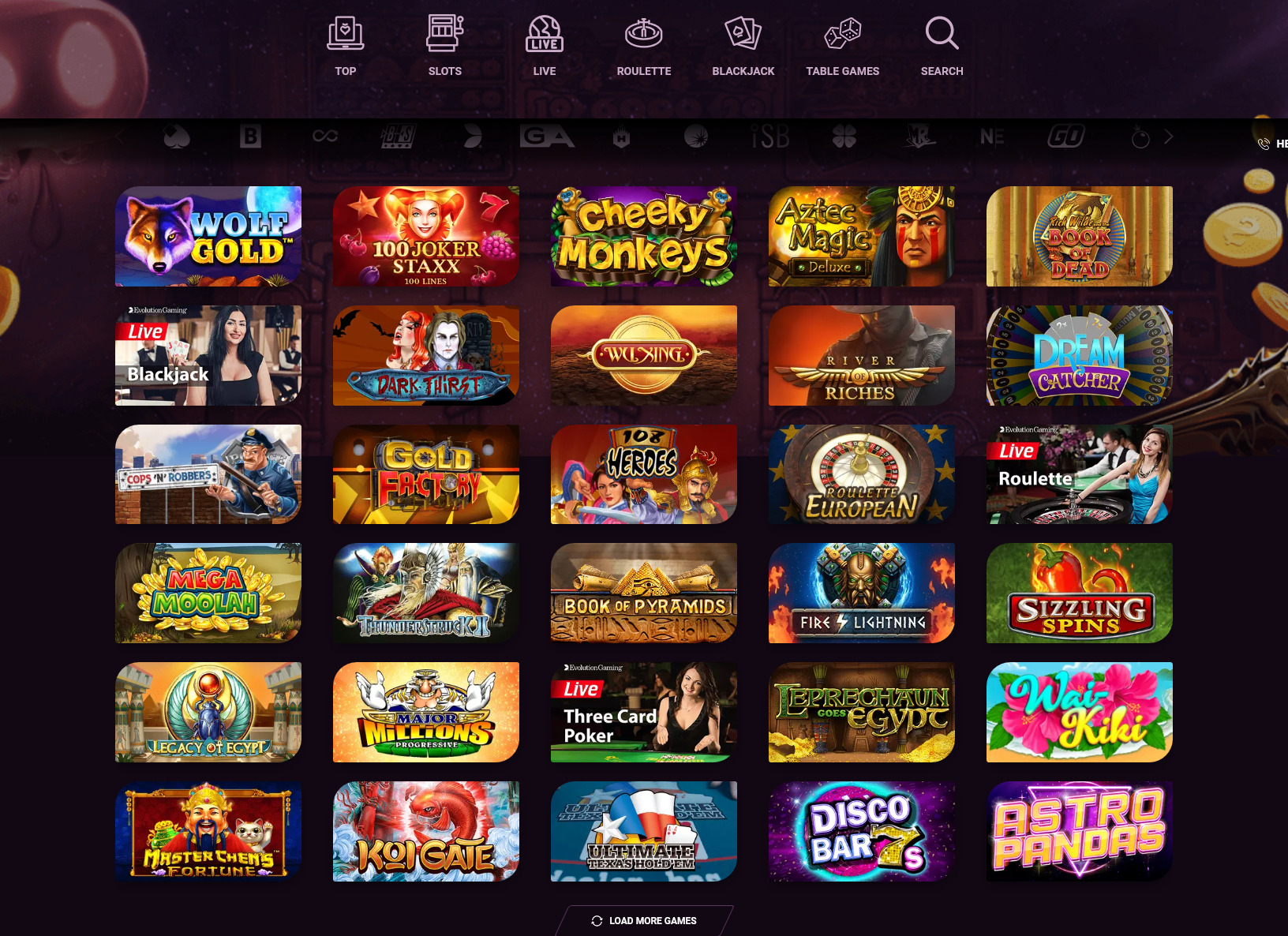
When you gamble online, the invisible engine is the Random Number Generator (RNG), a complex algorithm churning out outcomes every millisecond. It decides each spin, card, or dice roll with cold, mathematical impartiality, ensuring no pattern exists. Conversely, live dealer games swap the code for human interaction. A real person shuffles physical cards or spins a roulette wheel, streamed to your screen, creating social tension and trust. While an RNG offers blistering speed and solo focus, a live dealer introduces rhythm, conversation, and visible fairness. This choice defines your entire session; you are either chasing algorithmic randomness or reacting to human instinct. Your experienced risk profile shifts completely based on which you select.
**Q: How do RNGs and live dealers shape your experience differently?**
A: RNGs deliver fast, isolated, and purely chance-driven results, while live dealers slow the pace, add social rapport, and let you witness the physical action, directly altering your engagement and emotional investment.
The Real Difference Between Playing on a Desktop vs. a Mobile Device
The real difference between playing on a desktop vs. a mobile device comes down to how you control the action and how fast you react. On a desktop, you get a full keyboard and a precise mouse cursor, letting you adjust bets or click “spin” with pixel-perfect accuracy during a live round. On mobile, your thumb covers the screen, so you rely on touch haptics and larger buttons to avoid misclicks, which often forces a slower, more deliberate rhythm. Session risk management shifts dramatically between platforms because desktop play encourages longer, immersive streaks, while mobile naturally breaks play into short, casual bursts. The key sequence: 1) Choose desktop for complex games with many betting options, 2) Switch to mobile only for simple slots or quick blackjack, 3) Set a stricter time limit on mobile since notifications tempt constant re-entry, 4) Always test the in-game chat function—desktop typing is easy, mobile is a nightmare mid-hand.
How Do You Pick the Right Site for Your Betting Style?
To pick the right site for your betting style, first audit your own habits: are you a pre-match analyst, a live-odds chaser, or a casual single-game punter? If you thrive on in-play action, live betting platforms must offer low-latency streams and rapid cash-out buttons, otherwise you’ll lose value mid-event. For deep statistical bettors, prioritize advanced bet builders and extensive prop markets over flashy bonuses. Crucially, test the site’s payout speed with a small deposit before committing—hidden maximum bet limits on favored markets will cripple a sharp player’s edge. Also, compare bet slip complexity: a minimalist interface suits quick singles, while complex multi-leg parlays demand robust saved-slip features. Finally, use free-play modes to simulate your exact staking plan; the right site feels frictionless, not feature-heavy. Your style dictates the filter, not the reverse.
Key Features to Compare: Game Variety, Payout Speeds, and User Interface
When matching a platform to your style, start with game variety, payout speeds, and user interface—they decide daily satisfaction. Check if the lobby covers your preferred slots, live tables, or niche titles; a narrow catalog kills action fast. Payout speeds matter if you cash out often—skim the withdrawal policy for e-wallets versus cards, since processing times can range from minutes to a week. The interface should feel intuitive on mobile and desktop, with clear filters and no buried menus. *A clunky design eventually outweighs a flashy bonus, so click around before depositing real cash.*
**Q: Which feature should you prioritize first?**
A: Test the user interface during a free-play mode—if navigating feels sluggish, you’ll hate it after ten sessions, regardless of game count or payout speed.
What to Look for in Bonuses and Promotions Without Getting Trapped
Bonuses lure you in, but the trap is in the fine print. First, check the wagering requirement—a 35x rollover means you must bet your deposit and bonus 35 times before withdrawing. Next, look for game contribution percentages; slots may count 100%, but blackjack might only count 10% or zero. Also, verify the maximum bet allowed while the bonus is active—exceeding it voids the win. Finally, examine the expiry window; a 7-day deadline can force rushed, unprofitable play. Hidden withdrawal caps are another red flag. If a bonus seems generous but has restrictive terms, the value evaporates. Your safest move is to always read the “Terms and Conditions” link before opting in, and compare the effective cash value, not the headline percentage.
Payment Methods That Work Best for Fast Deposits and Withdrawals
For players who hate waiting, **fast withdrawal casinos** hinge on choosing the right payment rail from the start. E-wallets like Skrill and Neteller remain the gold standard, often processing cashouts within hours, while credit cards can take three to five business days due to bank clearing. Cryptocurrencies, particularly Bitcoin and Ethereum, offer near-instant settlement and bypass traditional banking hours entirely, making them ideal for round-the-clock play. Prepaid cards and bank transfers should be avoided if speed is your priority, as they introduce multiple intermediary checks. Always verify the site’s pending time, too—some operators hold withdrawals for 24 hours regardless of method, which can negate the speed of an otherwise instant payout option.
What Practical Strategies Improve Your Chances of Winning?
Your best shot at winning online isn’t about magic systems—it’s about picking games with a low house edge, like blackjack or video poker, and actually learning basic strategy until it’s muscle memory. Set a strict budget and quit while you’re ahead, because chasing losses is how the house wins back everything. For slots, always check the RTP percentage and stick to titles above 96%, and use free-play modes to test volatility before risking real cash. Short question: What’s the single most effective move? Answer: walking away after doubling your bankroll—it locks in profit and keeps you from tilting. Also, never bet on a “hot streak” feeling; every spin and hand is independent, so treat each wager as a separate event, not part of a comeback plan.
Bankroll Management Techniques That Keep You in the Game Longer
Treating your deposit as a finite resource is the cornerstone of bankroll management techniques that keep you in the game longer. Set a strict session cap—never chase losses by dipping into rent or savings. Divide your total funds into smaller, fixed betting units (typically 1–2% per wager), so a losing streak chips away slowly instead of wiping you out. Use the stop-loss limit rigorously: once your daily loss hits 20%, walk away. Similarly, bank half of any big win immediately, locking in profit while letting the other half fuel extended play. Track every bet in a simple spreadsheet to spot tilt patterns before they bleed you dry.
Understanding House Edge and RTP to Make Smarter Bets
To bet smarter, you must first understand that the house edge is the mathematical percentage each game retains over time, while RTP (Return to Player) is its inverse—the theoretical payout you can expect back. Choosing games with a higher RTP, like blackjack or video poker variants above 99%, directly reduces the casino’s built-in advantage over you. Before placing any wager, check the game’s paytable or help section to compare these figures. By consistently prioritizing high-RTP options and avoiding side bets with inflated house edges, you turn every decision into a precise calculation, not a guess. This single habit maximizes your expected value per hand, ensuring your bankroll lasts longer and your losses stay mathematically minimized.
When to Walk Away: Setting Win and Loss Limits That Actually Stick
Set your win and loss limits before you open a single game, and treat them as non-negotiable contracts. A win limit locks in profit—once you hit 20% up, cash out immediately and close the tab. A loss limit caps damage—stop at 10% down, no exceptions, no chasing. The trick is making them stick: write the numbers on a sticky note, set a phone alarm, or use the platform’s built-in reality check tools to force a break. Never adjust limits mid-session; that’s when emotion overrules logic. Automate the exit wherever possible, and physically step away from your device for 30 minutes after locking in. This turns discipline into a habit, protecting your bankroll for future sessions.
Which Games Offer the Best Value and Entertainment for You?
For me, the best value and entertainment online comes from live dealer blackjack, where you can chase that *perfect hand* while reading the table’s energy in real time. It’s not just about cards; it’s the banter, the suspense, and the low house edge that makes every session feel like a strategic win, even when you fold. On lighter days, I dive into progressive slots with bonus rounds—the narrative arcs and free spins stretch my bankroll, turning small bets into long, thrilling stories. The real trick is zeroing in on games where the *play itself* rewards you, not just the payout screen. Roulette spins offer that visceral, cinematic rush, but I always return to blackjack because its decisions give me control. That’s when the screen vanishes, and it’s just you, the cards, and the pulse of the game. That’s my sweet spot.
Slots vs. Table Games: Which Suits Your Risk Tolerance and Skill Level
Your choice between slots and table games hinges on how you handle variance and whether you seek control. Slots offer unpredictable, high-volatility swings with a fixed house edge, demanding a larger bankroll for sustained play—ideal if you prefer low involvement and accept short-term losses for a chance at outsized payouts. Table games like blackjack or baccarat reward strategic risk management, as decisions directly influence the odds, lowering the house edge to under 1% with perfect play. If patience and rule mastery appeal to you, table games suit a calculated temperament; if instant gratification and pure luck dominate your preference, slots fit better.
Q: Should a beginner with a small bankroll choose slots or table games? A: A beginner should favor low-stakes table games (e.g., European roulette outside bets) because they offer slower, more predictable drain and allow you to learn rules without chasing volatile slot spins that can deplete funds quickly.
Live Dealer Options: How Real-Time Play Changes the Atmosphere
Live dealer options fundamentally shift the atmosphere from isolated, algorithm-driven play to a shared, human-centric experience. The visible croupier’s actions—shuffling, dealing, and reacting—create a tangible rhythm that replaces the cold promptness of RNG screens, making every hand feel consequential. This psychological presence moderates your betting tempo, as you naturally sync your decisions to the dealer’s pace rather than clicking impulsively. Real-time chat with other players and the dealer introduces social cues, like hesitation or encouragement, which alters risk perception and often leads to more measured bankroll management. The ambient casino sounds and visual table clutter inject a layer of sensory pressure absent in standard digital play, making wins feel shared and losses less mechanical. Human interaction in live dealer games transforms transactional betting into a social ritual, ultimately boosting entertainment value through immersion, but requiring you to stay mindful of slower round times that dilute play volume per hour.
Live dealer options replace solitary, fast-paced automation with a socially charged, human-paced atmosphere that enhances immersion and emotional engagement, yet demands more patience per round for a richer, less sterile gambling experience.
Exploring Niche Games Like Keno, Bingo, and Virtual Sports for Variety
Exploring niche games like keno, bingo, toronto wolf pack and virtual sports adds practical variety without overhauling your bankroll strategy. Keno offers fast-paced number selection with high payout multipliers, ideal for short, low-stakes sessions. Bingo provides structured rounds with predictable pacing, letting you stretch playtime while tracking odds per card. Virtual sports simulate real-match dynamics at accelerated speeds, giving you instant results and clear statistical models for form-based betting. Each option fills a specific entertainment gap: keno for instant gratification, bingo for social timing, and virtual sports for analytical depth. Rotating among them prevents decision fatigue and lets you discover which format delivers the best return on your entertainment budget—so diversifying with niche games maximizes your overall value.
| Game | Session Length | Skill Factor | Payout Potential |
|---|---|---|---|
| Keno | Minutes | Low (random picks) | High multipliers |
| Bingo | 10–20 minutes | Medium (card strategy) | Moderate, fixed prizes |
| Virtual Sports | 2–5 minutes per event | High (form analysis) | Variable, odds-based |
What Common Pitfalls Should You Avoid as a New Player?
As a new player, the biggest pitfalls for beginners start with skipping the fine print on bonuses—those wagering requirements can trap you into betting far more than you planned. Another classic mistake is chasing losses; after a bad streak, you’ll be tempted to raise stakes to “win it back,” which usually digs a deeper hole. Also, don’t ignore game rules or try complex strategies before you understand basic odds. Set a strict deposit limit upfront, and never gamble money you need for bills. Finally, playing while tired or drunk clouds judgment—step away when you’re not sharp. Stay disciplined, and you’ll avoid the most common new player mistakes that empty wallets fast.
How to Spot Rigged or Unfair Platforms Before You Deposit Money
Before committing a cent, scrutinize the platform’s terms for hidden withdrawal caps or absurd wagering requirements—these often signal a payout firewall. Test the live chat with pointed questions about maximum bet limits and provably fair game hashes; evasive or canned answers are a glaring red flag. Search for real player complaints about delayed payouts on independent forums, not just the site’s glossy testimonials. Finally, run a few demo games—if the house edge feels impossibly aggressive or wins spike then vanish, algorithms may be tweaked. A legitimate platform welcomes scrutiny; a rigged one hides behind vague promises.
Check terms, interrogate support, and verify payout complaints before depositing—transparency is the only honest house edge.
Managing the Psychological Traps: Chasing Losses and Over-Betting
Chasing losses occurs when you immediately increase stakes to recover a deficit, a reaction that disrupts bankroll discipline and often accelerates financial damage. Over-betting, conversely, involves wagering above your predetermined unit size due to inflated confidence after a win. To counter both, set a **loss limit before any session**, then enforce a mandatory cooldown if you hit it, removing the impulse to recoup funds. For over-betting, cap your stake at a fixed percentage (e.g., 2%) of your total bankroll per wager. Additionally, track every bet in a log; reviewing losing streaks objectively reduces emotional reactivity and reinforces that each wager is an independent event, not a path to a guaranteed correction.
Using Self-Exclusion and Reality Check Tools to Stay in Control

New players often overlook the lifelines built into their accounts. Using self-exclusion and reality check tools is your first defense against losing track of time and money. Before you start, set a reality check to pop up every 15 or 30 minutes—this forces you to reassess your session while you still can. If you notice a losing streak or emotional tilt, don’t hesitate to activate temporary self-exclusion, even for a day. The process is straightforward:
- Navigate to your account’s responsible gaming section.
- Choose a cool-off period (24 hours to 6 weeks) or permanent exclusion.
- Confirm via email or password; the block becomes instant.
These tools aren’t a punishment—they’re a reset button. Using them proactively keeps gambling a choice, not a compulsion, so you can walk away with your bankroll and sanity intact.

Comments are closed.